Start with a Smarter Accessibility Scan
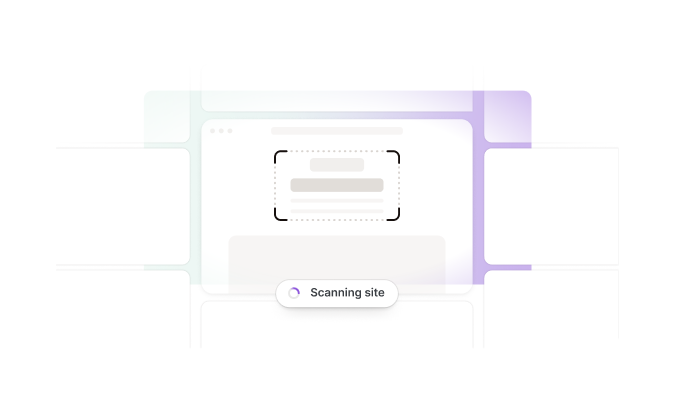
Scan your domain in seconds and get clear WCAG, ADA, and EAA findings that show what needs attention first.
Enter any page URL to run an accessibility test with tabnav's free checker and see whether it meets ADA, WCAG, and EAA requirements — code-level findings, no signup needed.
Our technology uses an advanced scanning approach that reflects real behavior and finds issues other checkers miss.
This leads to more accurate findings to help meet legal guidelines, with more details explained in the video.







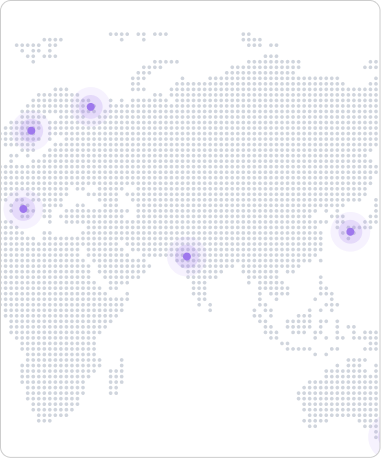
Trusted by leading brands
Tabnav free online accessibility checker tests any page you enter, identifies issues, provides code-level findings, and helps you improve fast.
Paste any page URL and choose the region you want to test against global or local accessibility laws.
View your accessibility results instantly, including your score and detailed issue breakdown.
Share results with your team or run another scan after applying improvements.
Complete suite of website accessibility tools to test, monitor, and improve your site's accessibility
Track accessibility over time. Assign fixes, collaborate with your team.
Add our free accessibility widget with text, contrast, and keyboard tools.
Check if your text has enough contrast and meets WCAG.

Check if your link colors have enough contrast to be easily identified.

Check if text on your image meets WCAG contrast.
Developed by the W3C, the Web Content Accessibility Guidelines (WCAG) define how to make web content accessible to people with disabilities. WCAG 2.2 adds new success criteria that improve support for cognitive, learning, vision, and mobile accessibility.
Read moreAdds nine new success criteria (e.g., improved focus indicators, target size, authentication assistance) and removes success criterion 4.1.1 Parsing.
The Americans with Disabilities Act (ADA) prohibits discrimination based on disability. Title III requires businesses and organizations providing public services - including websites and digital platforms - to ensure accessibility for people with disabilities, aligning with WCAG Level AA standards.
Read moreIn April 2024, the U.S. Department of Justice issued a final rule under Title II requiring government websites and apps to comply with WCAG 2.1 AA, setting a precedent for broader ADA web enforcement.
Section 508 of the Rehabilitation Act mandates that all electronic and information technology - including federal websites, software, and documents - must be accessible to people with disabilities. It references WCAG 2.0 Level AA as the technical standard.
Read moreThe "508 Refresh" (effective 2018) aligned requirements with WCAG 2.0. In 2023, new federal guidance clarified ongoing digital accessibility management for websites and online services.
The AODA requires organizations in Ontario to ensure their websites and web content are accessible to people with disabilities. The law references WCAG 2.0 Level AA as the baseline and encourages upgrades to WCAG 2.2.
Read moreOntario continues to enforce WCAG 2.0 AA while advising organizations to align with WCAG 2.2 by 2027 as part of its modernization of digital accessibility requirements.
The EAA ensures that websites, e-commerce platforms, mobile apps, and digital products are accessible across all EU member states. It aligns with EN 301 549 and WCAG 2.1 Level AA.
Read moreMember states must enforce the EAA by June 2025 to unify web and digital-service accessibility rules across Europe.
BITV (Barrierefreie-Informationstechnik-Verordnung) defines accessibility requirements for public-sector websites and mobile applications. It's based on the EU Web Accessibility Directive and harmonized with WCAG 2.1 Level AA.
Read moreBITV 2.0 entered into force in 2019, aligning Germany's national web-accessibility obligations with EN 301 549 and WCAG 2.1.
AGID - the Agenzia per l'Italia Digitale - oversees and enforces digital accessibility for public-sector websites and mobile applications in Italy. The requirements are defined by the Legge Stanca (Law No. 4/2004) and harmonized with WCAG 2.1 Level AA under the EU Web Accessibility Directive.
Read moreIn 2022, AGID adopted the latest accessibility technical requirements aligned with WCAG 2.1 AA and introduced stricter monitoring and reporting obligations for public-sector websites and apps. Regular compliance declarations are now mandatory through the AGID platform.
Select a category to explore the checks we preform and understand why they matter.
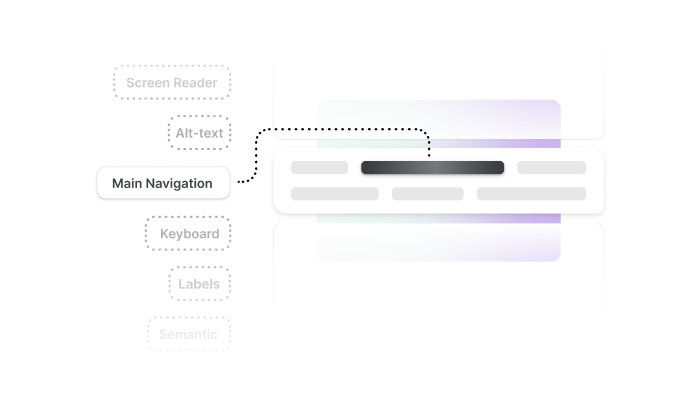
Images, icons, and other visuals are reviewed for accurate text alternatives, and the web accessibility checker verifies that each element can be interpreted correctly by assistive technologies.
Keyboard usability is tested across all interactive elements, while the accessibility checker confirms clear focus states, predictable movement, and full operability without a mouse.
Page hierarchy, headings, and landmarks are evaluated for clarity, and the WCAG checker ensures the overall structure aligns with recognized accessibility patterns for assistive technologies.
Learn how to meet WCAG standards with simple, expert guidance.
See what works and what to avoid with clear visual examples.
Explore real accessibility issues shown alongside correct implementations.
Scan your domain in seconds and get clear WCAG, ADA, and EAA findings that show what needs attention first.
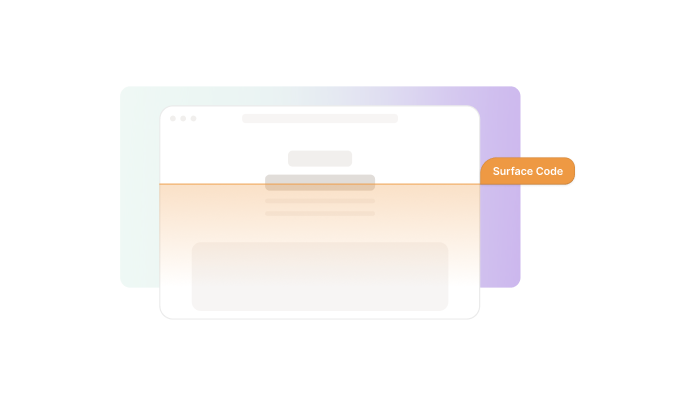
Our web accessibility checker does not stop at surface code. It opens menus, clicks buttons, and reveals hidden content that standard scanners miss, exposing real accessibility issues across your website.
Modern websites load menus, banners, and sections only after interaction. A basic accessibility scan misses these dynamic elements, leaving key barriers undetected.
Standard tools scan only visible HTML. They overlook hidden components loaded after scrolling or clicking, giving a false sense of full compliance.
Our checker actively interacts with your website to expose issues inside dynamic content, drop-downs, and injected sections. This advanced method finds errors traditional checkers can't see.
Get deeper insights and see how your website truly performs for users of assistive technologies.
The tabnav blog shares practical WCAG resources, accessibility testing insights, and compliance guidance, informed by real audits and industry research.



Here are some of the most common questions people ask about accessibility testing, audits, and online accessibility checkers.
It scans your website to detect accessibility barriers that affect people with disabilities. The checker tests your pages against WCAG 2.1 AA guidelines and highlights issues like missing alt text, low contrast, and unlabeled form fields.
Accessibility testing ensures your website is usable by everyone, including visitors who rely on assistive technologies. It helps you meet WCAG and ADA requirements, improves overall usability, and lowers legal risk.
Just enter your website URL in the checker and start a free scan. Within seconds, you'll get a detailed report showing your accessibility score and easy-to-follow steps to fix issues.
You'll see your overall score, a summary of problems by category-like navigation, forms, images, and color contrast-and practical guidance on how to fix them.
It's best to test your website every few months or after any design or content update. Regular testing helps you stay compliant and maintain an accessible experience for all users.
Yes. Many accessibility best practices-such as using proper headings, alt text, and clear structure-also support SEO and improve user engagement.